How brands can navigate the Paramount-WBD merger chaos
The issue is less about a specific transaction and more about how the ad industry prepares for the ongoing consolidation reality, says Crossmedia's Kaitlyn McInnis.
本条来自 Marketing Dive(Marketing / 资讯),聚焦 brand、consumer。 Let Marketing Dive's free newsletter keep you informed, straight from your inbox.
The issue is less about a specific transaction and more about how the ad industry prepares for the ongoing consolidation reality, says Crossmedia's Kaitlyn McInnis
- You're all set
- Let Marketing Dive's free newsletter keep you informed, straight from your inbox
The issue is less about a specific transaction and more about how the ad industry prepares for the ongoing consolidation reality, says Crossmedia's Kaitlyn McInnis
Let Marketing Dive's free newsletter keep you informed, straight from your inbox.
The issue is less about a specific transaction and more about how the ad industry prepares for the ongoing consolidation reality, says Crossmedia’s Kaitlyn McInnis.
The following is a guest piece written by Kaitlyn McInnis, executive director and integrated investment lead at Crossmedia. Opinions are the author’s own.
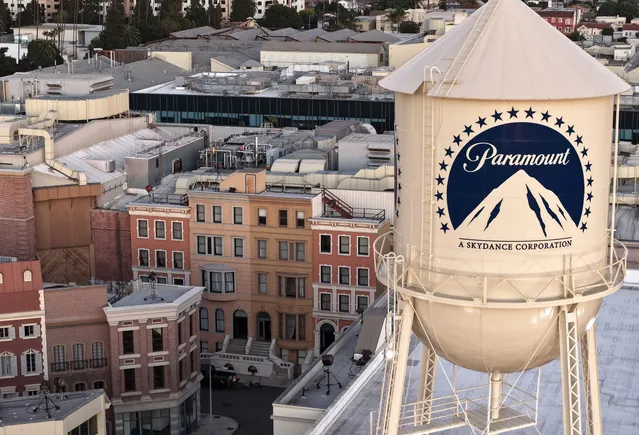
In recent years, the media landscape has been defined by frequent consolidation, from Disney’s acquisition of 21st Century Fox to the WarnerMedia-Discovery merger and recently, Skydance’s acquisition of Paramount. At the same time, platform leaders like Google, Amazon and Netflix are capturing a growing share of consumer attention and advertising investment, fundamentally changing the industry's power dynamics. For legacy media companies, the race is no longer about content and efficiency: it’s about building the scale, distribution, data and technology infrastructure and financial foundations required to compete in an increasingly fragmented marketplace.
While every transaction is grounded in its own motivations, they all point to the same conclusion: Legacy media’s evolution is necessary, and it is incumbent upon the advertising community to promote and embrace that transformation. Not only are these changes affecting the way consumers experience content, but they also impact the way advertisers choose to partner with platforms and how agencies are evaluating long-term investments.
This is why Paramount’s proposed $110 billion acquisition of Warner Bros. Discovery matters.
A federal judge set a March 2027 trial date for the proposed merger, and while the outcome of this merger remains uncertain, the trajectory of our industry is not. Consolidations are not singular disruptions, but the new norm, and success will lie with organizations that anticipate change instead of merely reacting to it.
With litigation from a coalition of state attorneys general, a Writers Guild of America motion and UK scrutiny, there have been major hurdles for this deal. Warner Bros. Discovery shareholders approved the deal in April, the DOJ closed its investigation in June and the European Union’s antitrust authority backed the merger in late July. The latest court developments reinforce that advertisers should expect Paramount and Warner Bros. Discovery to continue operating as separate companies for the foreseeable future. Regardless of how the litigation ultimately unfolds, the intent should be the same: building strategies that accommodate uncertainty and remaining flexible through the twists and turns.
With many variables still at play, here’s how we’re evaluating the merger and preparing brand clients for what could come next:
This merger is one of many that our industry has faced and will continue to face in the coming years. The Paramount / Warner Bros. Discovery merger is less about a specific transaction and more about how we, as an industry, prepare for this ongoing reality. The organizations that will thrive are those that embrace the uncertainty and build media partnerships grounded in flexibility, integration and future potential.
Get the free daily newsletter read by industry experts
Already beleaguered CMOs are being forced to be more agile than ever in the face of a new round of challenges like trade wars and artificial intelligence.
A recent whiff around the Boston Marathon is indicative of the brand’s struggles to pull off aspirational messaging it once executed with rare finesse.
Subscribe to Marketing Dive for top news, trends & analysis
Sign up for the free newsletter.
Interested? Explore more of what has to offer.
You're all set
Thanks for signing up! Please keep an eye out for a confirmation email from [email protected] To ensure we make it into your inbox regularly, add us to your allow list, mark us as a safe sender, or add us to your address book. Check out more from
Get the free daily newsletter read by industry experts
E.l.f. Cosmetics/Oberland
Diverse representation continues to present a major opportunity for brands and could become even more of an expectation during the end-of-year period.
Already beleaguered CMOs are being forced to be more agile than ever in the face of a new round of challenges like trade wars and artificial intelligence.
The free newsletter covering the top industry headlines
本条目归入「Consumer Trends」垂直,涉及真实话题:brand、consumer。
· 市场:关注 brand、consumer 对相关品类与竞争格局的潜在影响。
· 消费者:受众行为与偏好变化值得追踪。
· 品牌:本动向对品牌资产建设的启示。
· 渠道:内容分发与触点组合(社媒 / 电商 / 线下)的协同值得复盘。
· 核心话题:brand、consumer。
· 可思考:如何把「brand」的洞察,转化为可衡量的内容与增长动作?
面试中可引用「How brands can navigate the Paramount-WBD merger chaos」:围绕 brand、consumer,说明你对行业动向的判断与可落地动作。
本条目相关英文术语可在「商务英语」模块按话题检索,用于外企面试表达训练。
With many variables still at play, here’s how we’re evaluating the merger and preparing brand clients for what could come next:…
Let Marketing Dive's free newsletter keep you informed, straight from your inbox.…
In recent years, the media landscape has been defined by frequent consolidation, from Disney’s acquisition of 21st Century Fox to the WarnerMedia-Discovery merger and recently, Sky…